
Thread & Supplies: The Foundation of Every Stitch
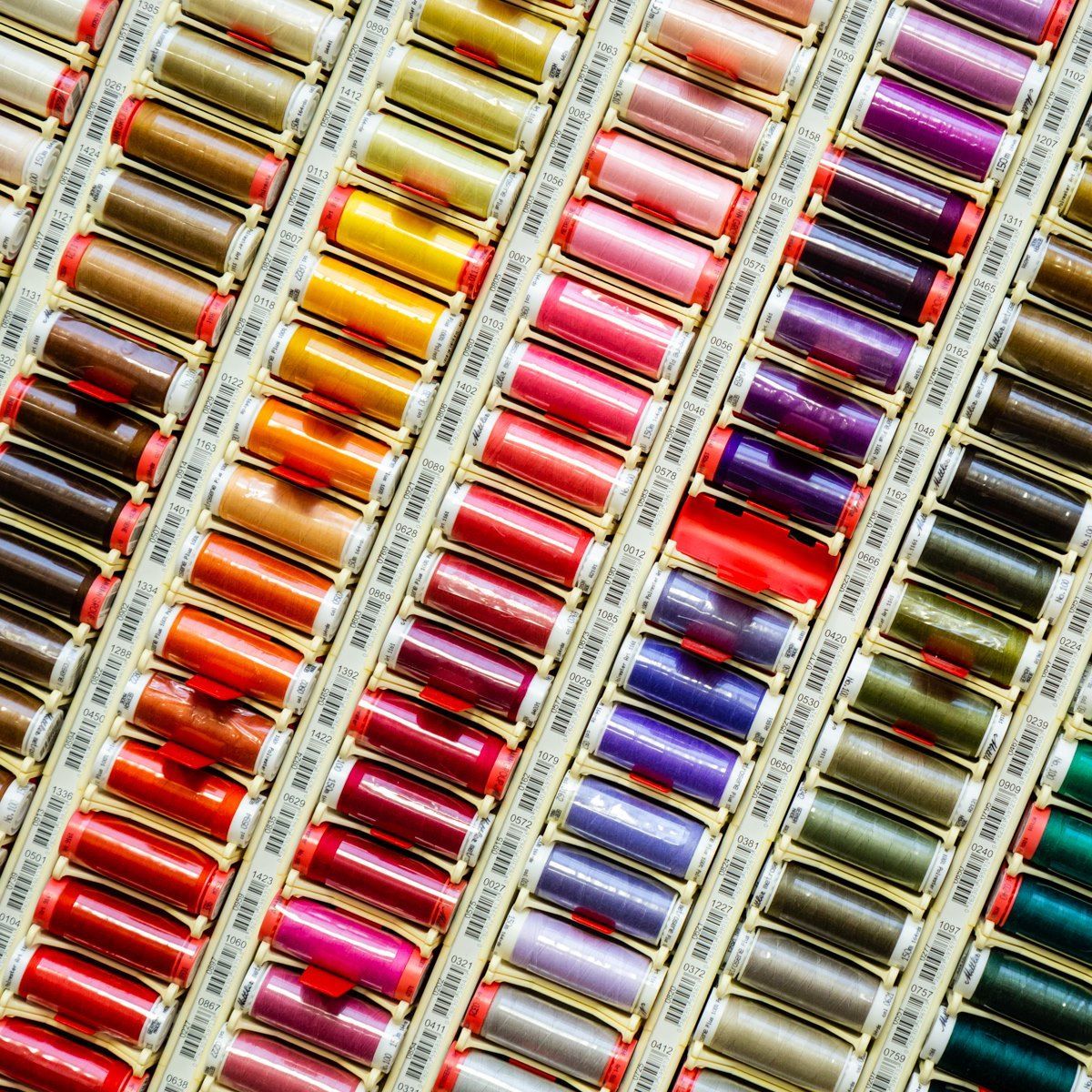
Better Supplies, Better Stitches
Thread is a critical, often overlooked component of every sewing and embroidery project. At Alamo Stitchin Post, our curated selection of sewing and embroidery thread ensures optimal stitch quality, colorfastness, and durability. Whether you’re piecing a quilt, creating machine embroidery designs, or doing garment construction, the right thread type and quality make a measurable difference. We stock a wide range of threads, stabilizers, needles, and related supplies at our Windcrest location to meet hobbyist and professional needs.
Why Thread and Supplies Matter
Thread impacts not only the aesthetic outcome of a project but also machine performance. Low-quality thread can cause lint buildup, thread breakage, tension issues, and uneven stitches. Using the correct thread weight, fiber, and color enhances stitch definition and prevents problems during sewing or embroidery. For embroidery, thread sheen, tensile strength, and color stability under washing are essential considerations.
Educational Support and Thread Clinics
We offer mini-clinics and short classes dedicated to thread selection and tension: practical sessions where you test thread types on scrap fabrics, calibrate tension settings, and learn best practices for longarm quilting and high-density embroidery.
Key Benefits of Shopping Thread at Alamo Stitchin Post
Expert recommendations
Our staff helps you match thread fiber and weight to your fabric and project goals.
Wide selection
We stock polyester, cotton, cotton-wrapped polyester, rayon, and specialty threads for decorative work.
Embroidery-specific inventory
High-quality embroidery threads, bobbins, stabilizers, and needles for consistent embroidery results.
Color matching
Visual, in-store matching for precise color coordination.
Accessories
Bobbins, pre-wound bobbins, thread nets, cones, and thread stands for high-speed embroidery.
Thread Types We Stock and When to Use Them
Polyester Thread
Durable, colorfast, and strong. Ideal for general sewing and quilting where stability and washability are priorities.
Cotton Thread
Soft, matte finish, and traditional for quilt piecing. Preferred where a natural fiber hand is desired.
Cotton-wrapped Polyester
Combines the look of cotton with improved strength.
Rayon Embroidery Thread
High sheen and smooth finish for decorative embroidery, though slightly less durable than polyester when subjected to heavy washing.
Polyester Embroidery Thread
Offers strength and sheen with excellent wash resistance; commonly used for applique and commercial embroidery.
Metallic and Specialty Threads
For decorative accents, used with stabilizers and lower machine speeds to reduce breakage.
Selecting the Right Thread for Quilting
Quilters often select thread based on desired visibility, texture, and quilting density. Cotton threads maintain a traditional finish while polyester threads provide additional strength and sheen. We advise on:
- Top thread weight vs. bobbin thread
- Thread color strategies (contrast vs. blend)
- Tension calibration for blends of fibers
- Thread density recommendations for machine quilting vs. hand quilting
Accessories and Complementary Supplies
Stabilizers
Tear-away, cut-away, water-soluble, and sticky stabilizers to support embroidery designs and prevent puckering.
Needles
Embroidery-specific needles, ballpoint and sharp needles for knit and woven fabrics, and heavy-duty needles for leather and canvas.
Bobbins
Pre-wound bobbins for efficiency and consistent tension in embroidery machines.
Thread nets and caps
Preserve thread cone tension and prevent slipping.
Thread stands and cones
Support for large cones used in quilting and long runs.=
Embroidery Thread Considerations
For embroidered logos or detailed motifs:
- Use high-quality polyester or rayon to ensure sheen and wash durability.
- Stabilizer selection is crucial; the wrong stabilizer leads to puckering or distorted stitches.
- Hooping technique matters — we provide hooping guidelines and stabilizer placement tips.
- Thread weight (commonly 40wt for embroidery) affects stitch density and detail.
Thread Care, Storage, and Best Practices
- Store thread away from sunlight to prevent color fading.
- Use thread nets and cones for long embroidery runs to maintain consistent tension.
- Keep thread dry and free of dust to reduce lint transfer into machines.
- Replace thread frequently on older spools to avoid brittleness and breakage.
Common Thread Problems and Solutions
- Frequent thread breaking: Check needle condition, tension settings, and thread quality.
- Uneven stitches: Inspect bobbin thread, re-thread machine, and verify thread path.
- Lint buildup: Use quality polyester threads and maintain regular machine cleaning.
- Puckering in embroidery: Increase stabilizer density, reduce tension, or switch to a different thread weight.
Why Buy Thread Locally?
- Immediate availability and no shipping wait time.
- Hands-on color matching and personalized advice.
- Ability to test thread on fabric swatches before purchase.
- Staff familiarity with local project needs and recurring material performance.
Frequently Asked Questions
Can I use embroidery thread for piecing quilt tops?
Embroidery threads have a sheen and different tensile properties. For piecing, we typically recommend polyester or cotton thread designed for piecing to avoid unwanted sheen or tension changes.
Which thread weight is best for machine quilting?
40–50 weight is common; 40wt is stronger and provides visible stitch definition while 50wt blends more. We guide your selection based on your quilting style and desired look.
How should I choose a stabilizer for a dense embroidery design?
Use a heavy cut-away stabilizer for dense designs on knit fabrics or medium-weight cut-away for stable woven fabrics. Test on a scrap before embroidering your final piece.
Do you carry thread in large cones for long runs?
Yes. We stock cones for quilting and commercial runs and offer thread stands to accommodate them.
Contact and Purchase
For personalized recommendations and inventory checks, call (210) 656-6700 or visit Alamo Stitchin Post at 5315 Walzem Road, Windcrest, TX 78218. Bring a fabric swatch or project photo for the most accurate advice.